Oregon Trail Simulation: An Interactive Classroom Lesson Plan for Middle School
Simulation at a Glance: Looking for a hands-on way to teach westward expansion? My Oregon Trail classroom simulation is an interactive lesson plan where middle and high school students experience pioneer life. Starting in Independence, Missouri, students manage budgets, roll dice for trail events, and document their 2,000-mile journey, making 19th-century history unforgettable.
Do you remember the thrill of playing the classic MECC Apple II computer game, holding your breath and hoping your digital family wouldn't succumb to dysentery? I know I do. When I first started teaching westward expansion, I wanted to capture that exact same interactive excitement for my own students. Translating that nostalgia into an engaging, educational experience is the key to teaching this era. When my students step into the shoes of 19th-century pioneers, history stops being a list of dates and becomes a memorable adventure in survival, teamwork, and critical thinking. Before jumping into the wagon, setting the stage for why we study history helps frame this immersive experience for your classroom.
(If you want to relive that classic Oregon Trail game online, use this emulator below)
To play: use the keyboard only. Press numbers, enter key, spacebar/arrows for hunting, and more.
FROM COMPUTER Game TO CLASSROOM Simulation
Fast forward a few decades, and I find myself teaching a middle school unit on westward expansion that centers on the Oregon Trail. I’m trying to figure out how to make this unit relevant and enjoyable for my students. I start drifting into daydream mode, and that classic computer game begins to capture my attention. As I’m lost in all the fun memories of the video game, I snap out of it and begin to ponder: what if I could recreate that excitement in my classroom? What if I could somehow get my students to experience the Oregon Trail right here in my room?
That’s when the Oregon Trail simulation activity began to take shape. After some brainstorming and talking through some ideas with my student teacher at the time, I came up with the Mister Harms version of the Oregon Trail Simulation Game. It’s a lesson plan and activity that my students have always enjoyed. It has been tweaked and improved over the years, and has become one of my favorite units to teach!

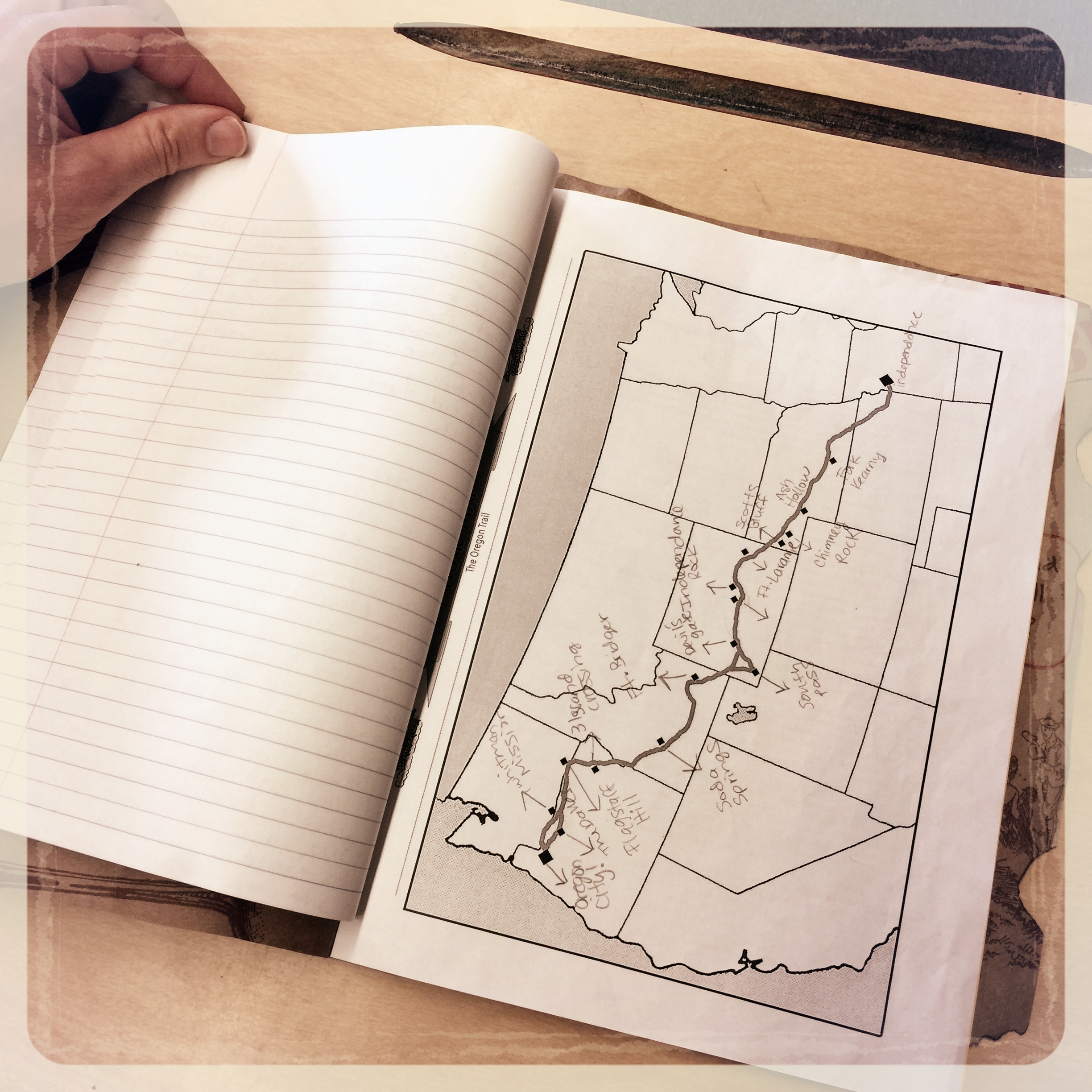
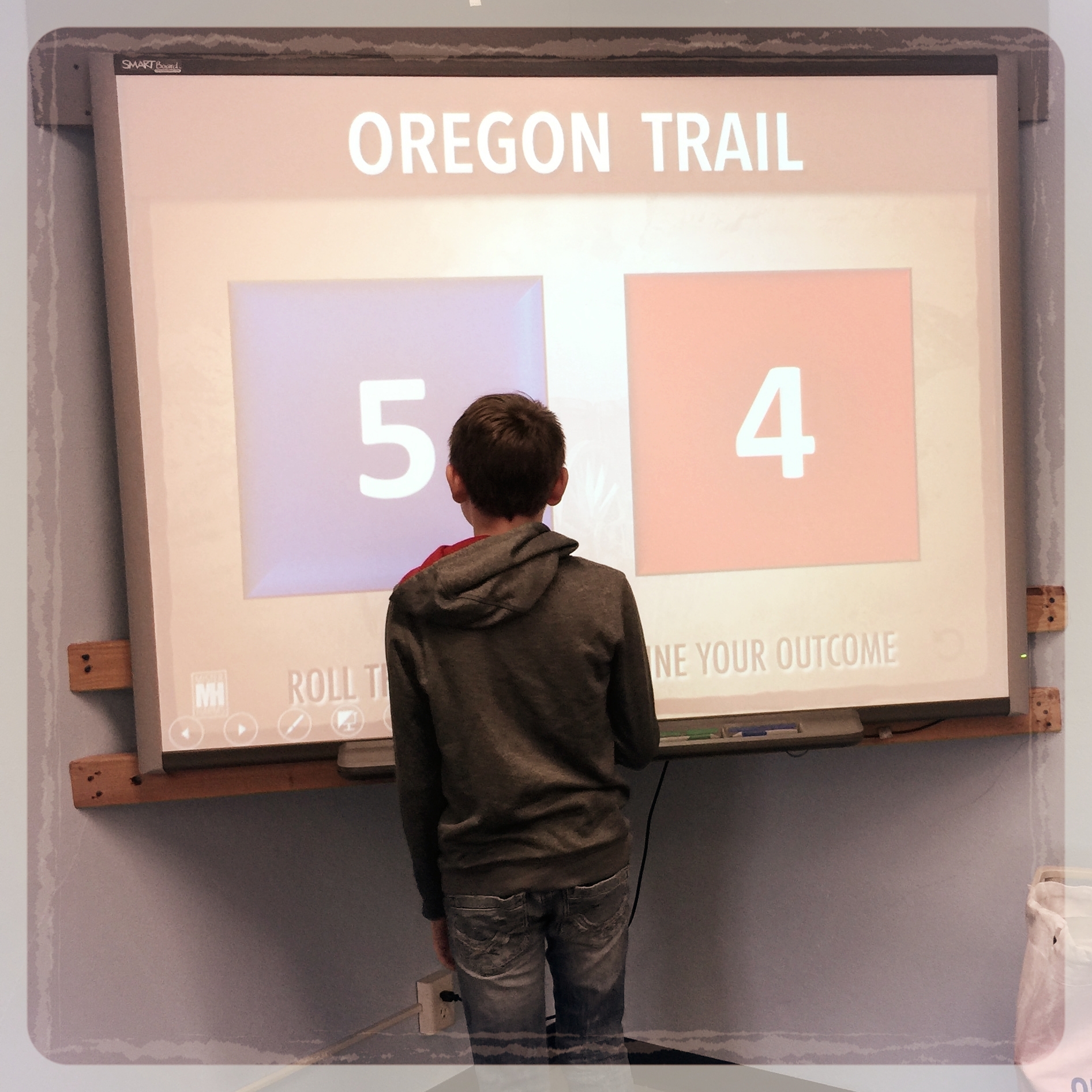

See how to use the Oregon Trail classroom simulation dice. Quick, zero-prep westward expansion lesson plans for middle school history!
The Value: Why This Simulation Matters in Today's Classroom
Answer: In my years of teaching, I've found that experiential learning connects students to history by forcing them to make the same difficult economic and survival choices that real pioneers faced on the trail.
Teaching the concept of Manifest Destiny requires more than just reading from a textbook. When I have my students form their own wagon trains and manage limited resources, they develop empathy and a concrete understanding of the historical context of westward expansion. Between 1840 and 1860, over 300,000 pioneers braved the grueling 2,000-mile journey west, and I designed this simulation to mirror that reality. As they calculate food rations and track their calendar days, I get to watch them seamlessly blend math skills with creative writing, resulting in a cross-curricular powerhouse lesson that they talk about all year.
What's Included: The Complete Lesson Plan
Answer: I designed this comprehensive resource to provide everything you need to run the simulation with zero stress, including digital presentations, printable tracking sheets, and daily event guides.
To make your prep time practically zero, the Mister Harms Oregon Trail Simulator Lesson Plan includes:
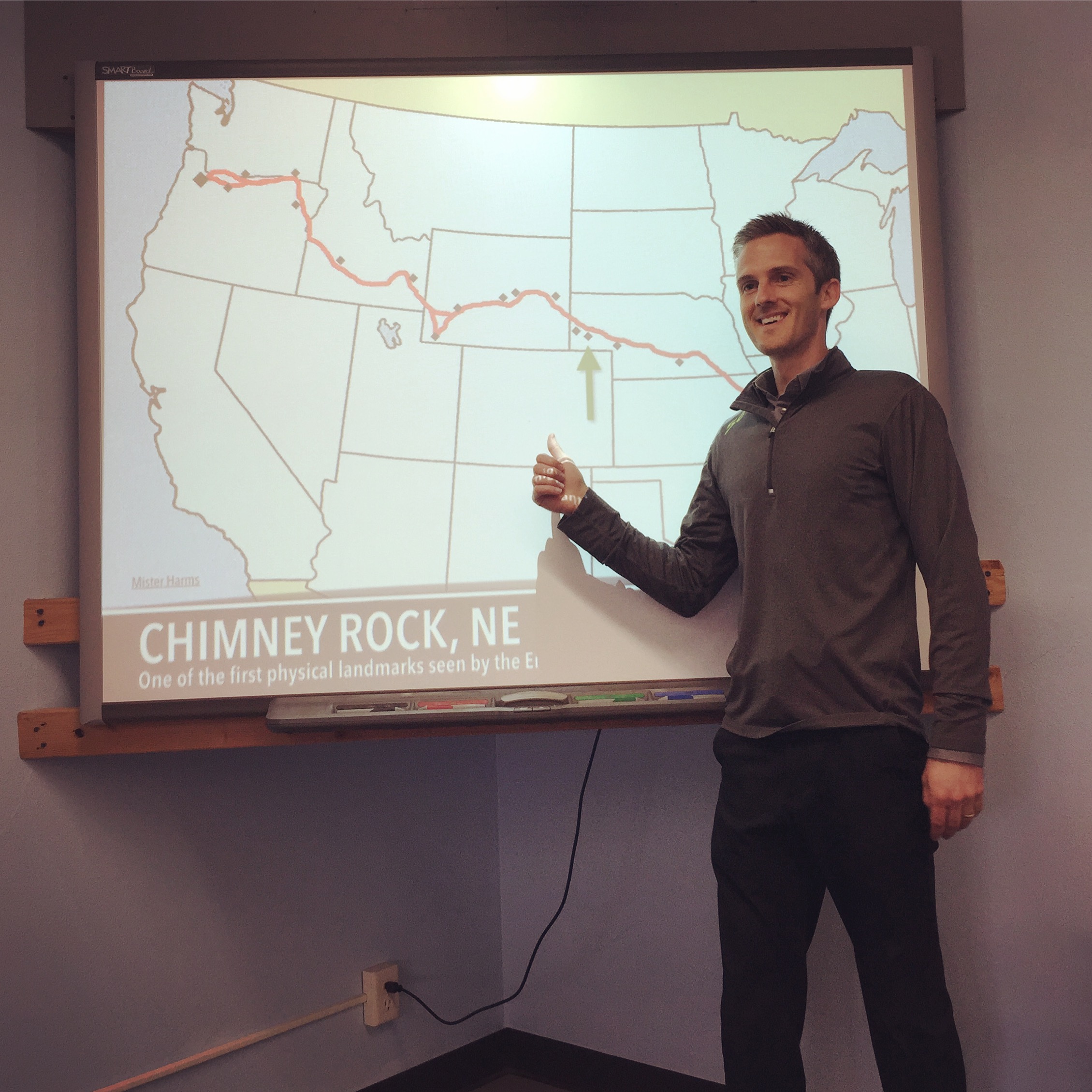
A guiding presentation (available in PowerPoint and Google Slides) highlighting major stops, landmarks, and primary source quotes.
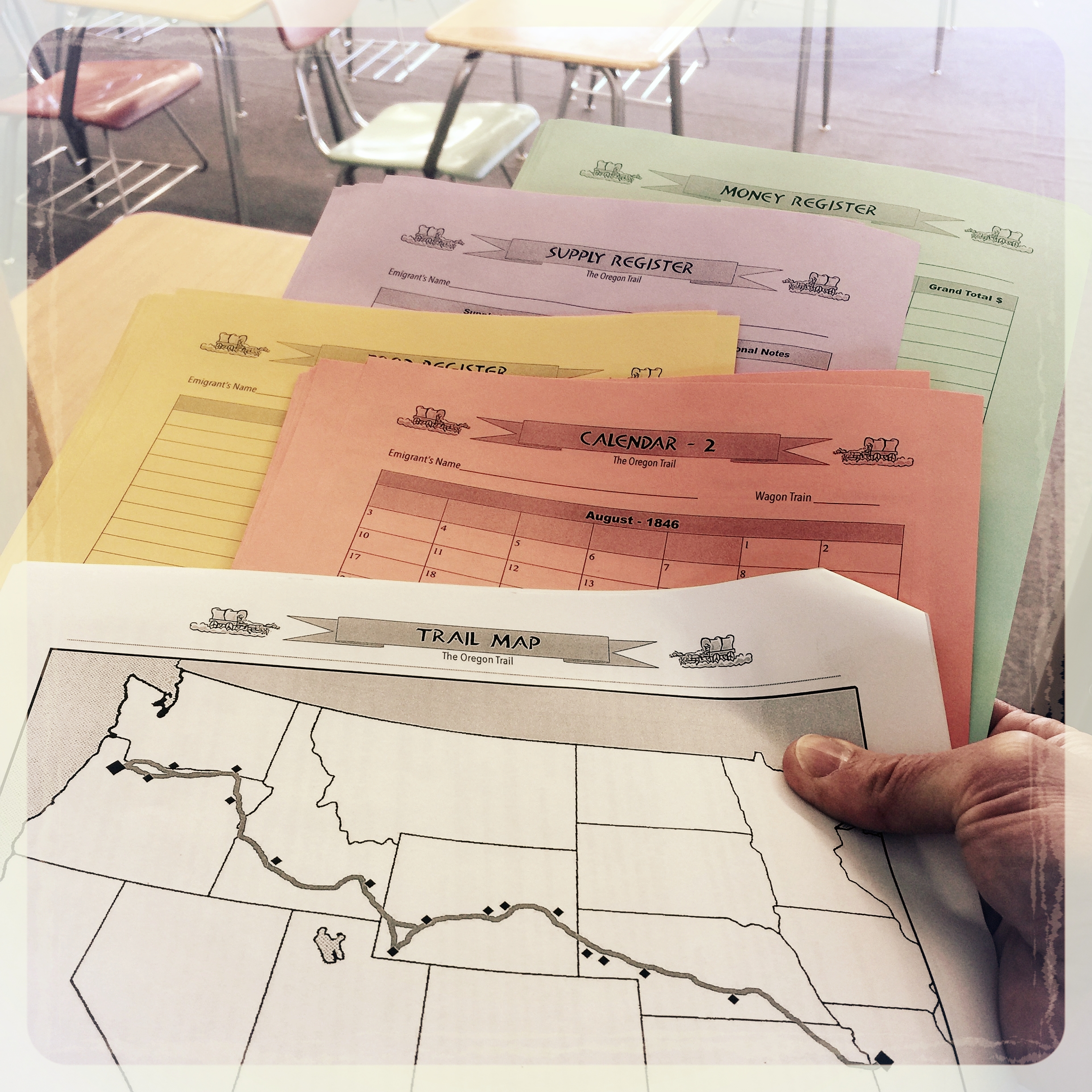
Printable tracking logs for money, supplies, and food weight.
Dice-rolling probability charts for hunting, fishing, and trail mishaps (like a broken wagon axle).
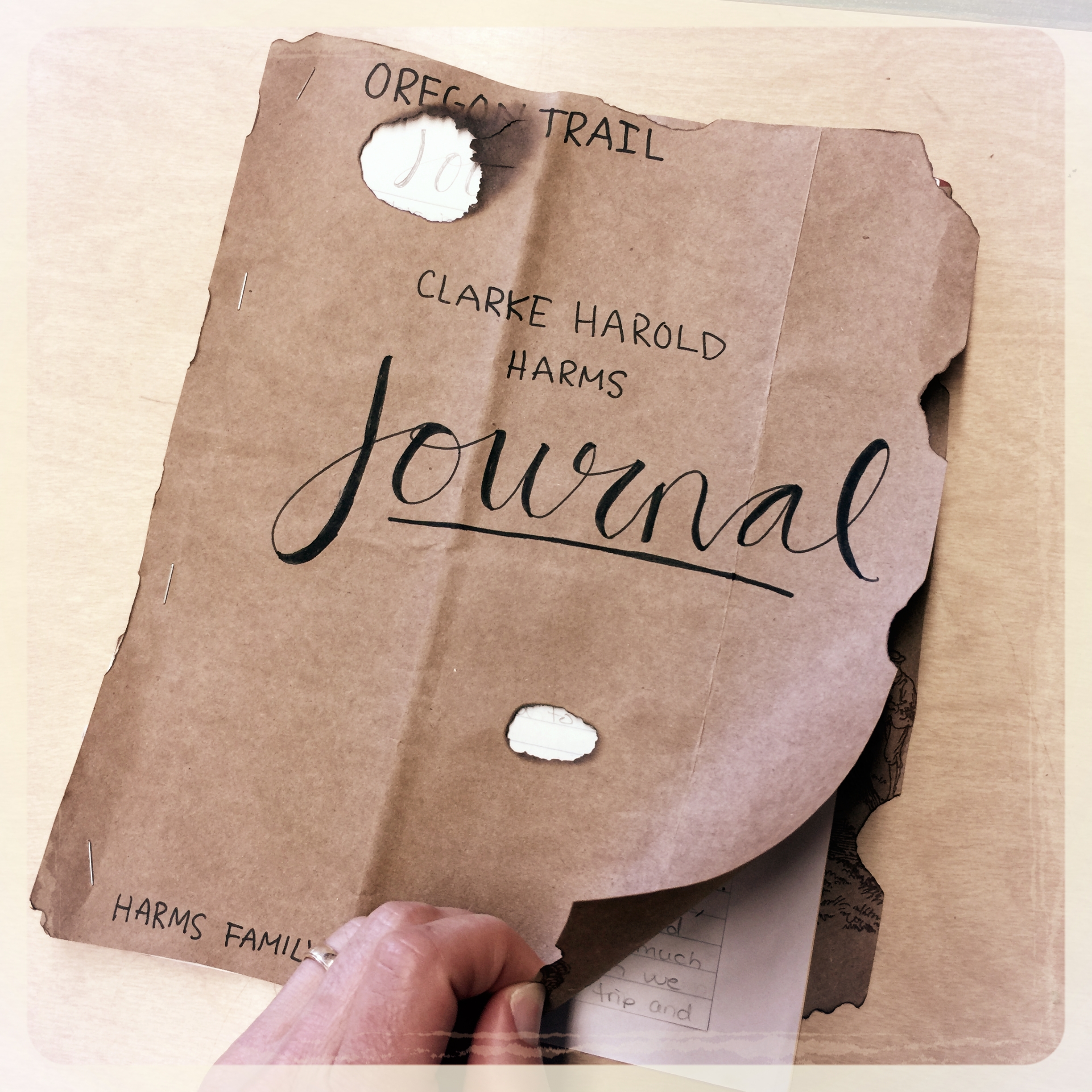
Student journaling prompts for historical creative writing.
Implementation: How to Teach This Step-by-Step
Answer: Running the simulation in your room involves grouping students into wagon trains, assigning specific financial and tracking roles, and pacing the journey alongside your daily history lectures.
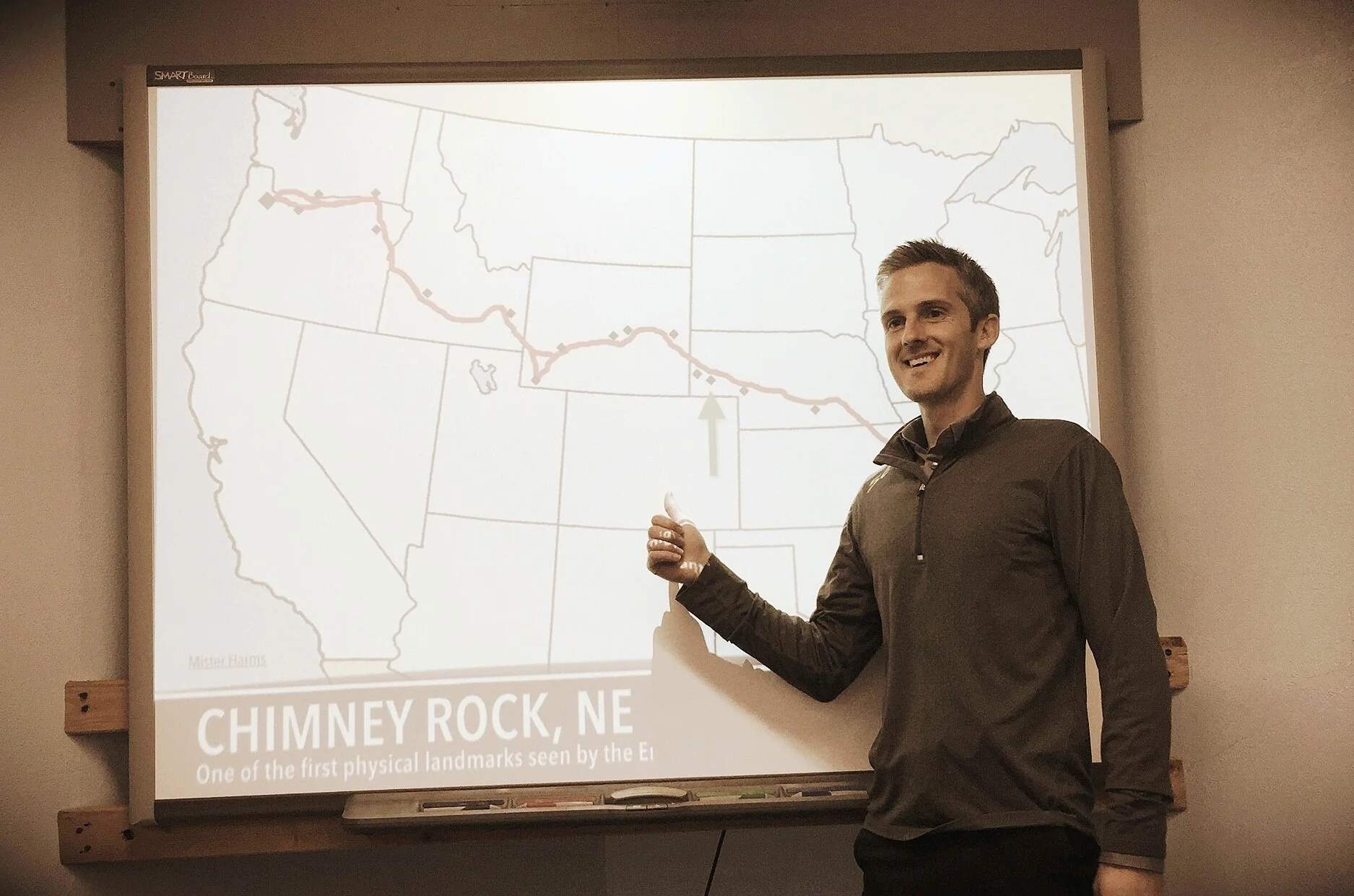
Form the Wagon Trains: Divide your class into small groups to act as families. Have them create a backstory and roll dice to determine their starting income and occupation.
The Jumping-Off Point: Begin in Independence, Missouri. Students must allocate their funds to purchase supplies, assigning specific roles to team members (Banker, Supply Manager, Food Provider, Calendar Tracker).
Hit the Trail: Each day, present a new leg of the journey. Students roll dice to determine their fate—from crossing rivers successfully to losing days fixing equipment or even hunting for food.
Lecture and Journal: While teams calculate their daily progress, I deliver short, focused lectures on the forts and landmarks they pass. End the class by having students write a personalized journal entry from their character's perspective.
FAQS: TEACHING THE OREGON TRAIL
How do I keep middle schoolers engaged during a multi-day simulation?
The competitive nature of the game naturally sustains interest. Because all wagons travel the same trail but progress at different speeds based on dice rolls, students are eager to see who reaches Oregon first. Rotating group responsibilities also ensures every student remains actively involved in the day-to-day operations of the wagon train.
Explore more engaging Oregon Trail Activities for middle school students from Mister Harms.
What is the best way to assess student learning during this activity?
The daily pioneer journals serve as an excellent formative assessment. Reviewing these entries allows you to evaluate how well students are absorbing the historical content, understanding the geography of the trail, and empathizing with the daily hardships of the pioneers.
A complete set of printed worksheets, student journals, and digital presentation slides for the interactive Oregon Trail classroom simulation.
“Love, love, love it! This product is fantastic! All of the research and labor is done for you! Overall, well worth the money!”
LEarning Outcome: Ending the Oregon Trail
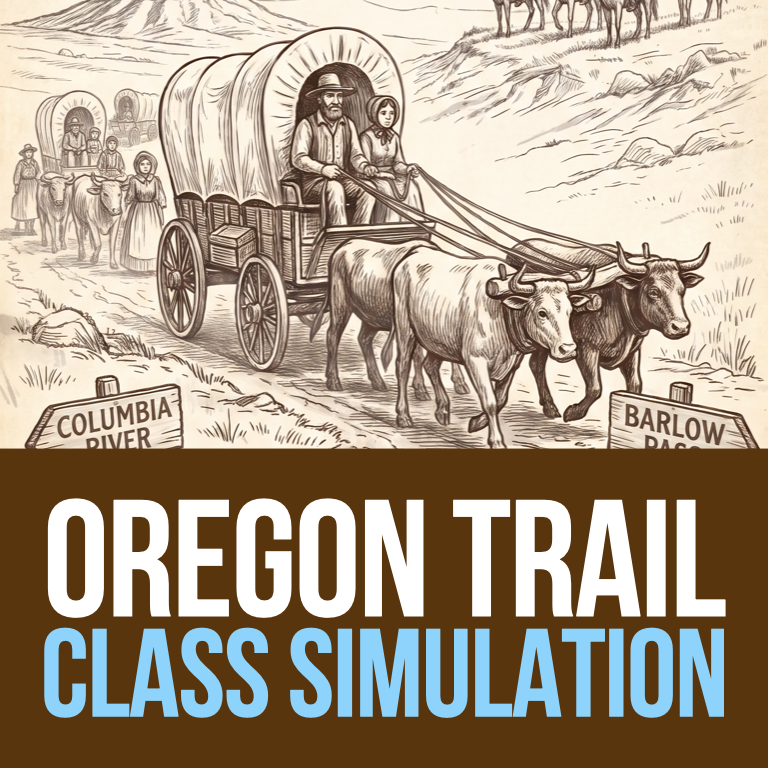
Engage your 4th to 8th grade students with this immersive Oregon Trail simulation game and interactive history unit. If you are looking for high-engagement Oregon Trail activities or a comprehensive Westward Expansion simulation, this experiential learning project seamlessly blends historical learning with creative student journaling, allowing your classes to experience pioneer life firsthand!
Enjoy taking your middle school and upper elementary students on an adventure of a lifetime known as the Oregon Trail! Students will form family wagon teams, manage provisions, and race each other to the Oregon Territory. While learning about this pivotal era in United States history, this guided simulation will allow students to actively live out the pioneer experience. It is a fantastic anchor resource for any early American History class!
📦 What's Included inside the Simulation Pack?
🗺️ Full Lesson Implementation Blueprint: Complete teacher and student instructions accompanied by all necessary handouts to orchestrate a zero-prep classroom simulation game.
📈 Interactive Budgeting & Log Forms: Includes print-ready and digital forms for general store shopping, supply pricing, trail stop logs, food consumption trackers, financial ledgers, and a wagon party calendar to monitor daily progress.
💻 150+ Slide Visual Presentation: A comprehensive multimedia slideshow containing over 150 slides packed with real historical photos, deep-dive informational texts, and quick-reads to guide your class through every landmark.
⚙️ Universal Slide Compatibility: Access the presentation as a fully editable Google Slides slideshow or as a traditional Microsoft PowerPoint file.
🎲 Digital Dice Mechanics: Direct access to interactive web-based dice for students to roll and dynamically calculate their randomized traveling fates, survival outcomes, and trail hazards.
📜 Primary Source Text Archives: A curated treasure trove of authentic emigrant quotes, journals, historical maps, and structural visual summaries to teach historical perspectives accurately.
🎨 Bonus Artistic Elements: Includes two free pioneer-themed coloring book pages for early finishers or unit extensions.
🛠️ How to Implement This in Your Classroom:
This multi-day simulation is completely flexible and can be customized to fit your schedule.
Form Wagon Parties: Students divide into teams, pick historic occupations, and budget their starting cash for frontier supplies.
Hit the Trail: Advance through landmark stops using the visual presentation while students roll interactive dice to see if they encounter river crossings, broken wagon axles, or safe passage.
Reflect via Journaling: Students write in-character diary entries based on the real historical quotes and daily hardships faced by their wagon team.
⭐️ Download a sample preview to learn more!
⭐️ Save 20% by getting the Westward Expansion Bundle!
What Teachers Are Saying
"This activity was so much fun and very organized. The students learned a lot.” - Margaret ★★★★★
“LOVE, LOVE, LOVE it! This product is fantastic! All of the research and labor is done for you...Overall, well worth the money!!!" - 422 History ★★★★★
“This is a great resource that my students love! …an interactive lesson where students learn a wide variety of information about the Oregon Trail.” - ELISE ★★★★★
⭐️ Read more about this amazing activity on my blog!
⭐️ Also available on Teachers Pay Teachers!
🎨 Add some fun with this Oregon Trail Coloring Book!
⭐️ Enjoy some Oregon Trail Merch and Swag while you travel the trail!
Thank You!
Thanks so much for stopping by. It's great to meet you! I hope this resource adds value to your classroom. I would also love to see how you've incorporated this product into your classroom. Feel free to post a photo of this resource in action and tag @misterharms so I can meet you!
Want More?
Ultimately, the simulation ends when we get to Oregon. The entire class learns about the trail at the same pace, but it’s a race to see who can get to Oregon in the least amount of calendar days!
If you have your own curriculum regarding the Oregon Trail, you can easily use this simulation along-side what you are already teaching. If you do not have much information, this product has you covered!
I have included a slideshow presentation filled with primary source documents, pictures that highlight the major stops, landmarks, and extreme trials faced. It is a treasure trove of history for students to see and experience along the way!
Ready to transform your westward expansion unit and bring the trail to life for your students? Grab the Oregon Trail Simulation Worksheets Here and watch your classroom race to the Pacific! Don't forget to Pin this post for later as you plan out your upcoming U.S. History curriculum.
Stay connected with Mister Harms! Join my classroom to receive future emails and updates plus save 10% on misterharms.com. You can also follow @misterharms on social media!
Looking for more Oregon Trail Fun in the classroom?
🎨 Print out this Oregon Trail Coloring Book for your students to enjoy along the trail
🎭 Learn history in dramatic fashion with this Oregon Trail Readers Theater Play Script
👕 Get some fun Oregon Trail t-shirts, stickers, and merch